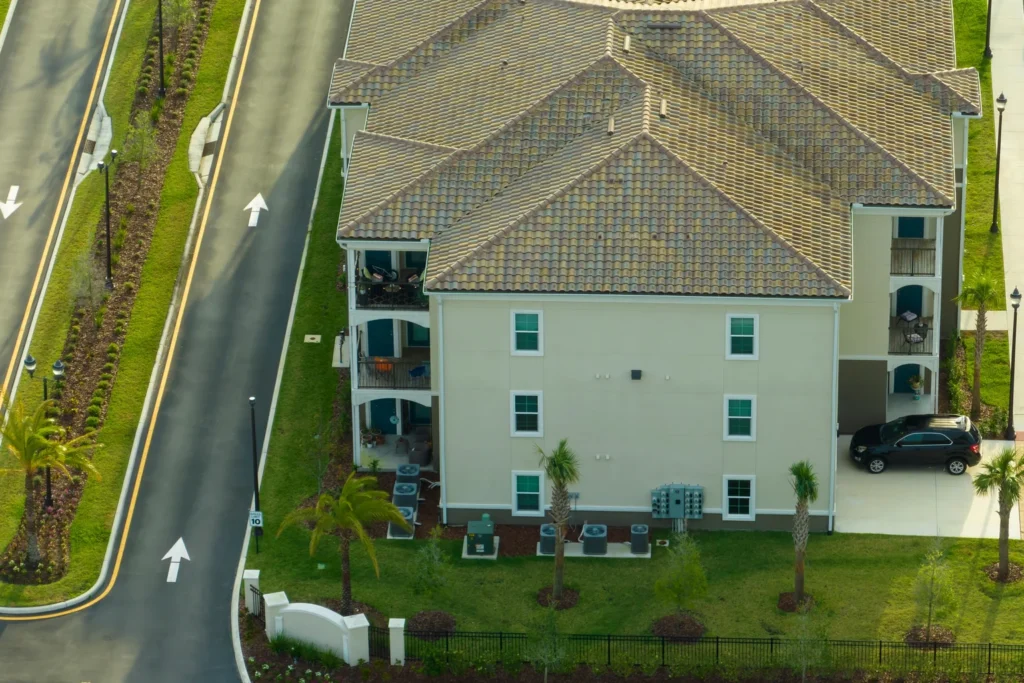
Orlando residents talk openly about what they pay for apartments and what houses now cost. Here are the figures they quote and the arguments they have about them.
What a One-Bedroom Costs
One renter pays $1700 for a one-bedroom in Thornton Park off Orange Ave. Off Kirkman near Universal, another pays $2180 for a 980-square-foot one-bedroom with one bathroom, while a neighbor on Kirkman pays $1165 for 575 square feet. A third renter pays $1700 a month for a one-bedroom, $200 of it in “mandatory fees”; over 8 years the base rent on the same apartment has gone up $500 and the fees $125, and rent now takes 49% of their monthly income.
Longtime renters remember lower numbers. One moved into an 850-square-foot one-bedroom in 2015 at $865; by 2021 the same unit was up for $1,295. Another’s first apartment, in 2014, was a two-bedroom, two-bath for about $850. Someone who came to Orlando for college in 2012 shared a two-bedroom near Full Sail for about $970; now, they say, a small one-bedroom runs $1,300. Ten years ago, one resident notes, a $2200 two-bedroom would have made them feel like royalty.
Half-Empty New Buildings
One renter argues that demand is not the problem: many new developments sit half empty because few people can pay $1.8k or more for a 600-square-foot one-bedroom when the average wage is around 50k, and nobody should need a roommate for a one-bedroom. Others answer that there are hundreds of one-bedrooms for less, just not brand new, “luxury” or next to Disney, and that overpriced new rentals will eventually have to lower prices. A skeptic replies that landlords can stay solvent longer than tenants can avoid homelessness.
Looking further out has its own cost: the price of gas, and many Orlando jobs do not allow remote work. One renter adds that moving is not even an option without earning 3x the rent.
Can You Negotiate Rent?
A former leasing agent says you can always negotiate rent or ask for monthly concessions, because leasing agents’ and managers’ bonuses often depend on the occupancy rate. Another resident says that is not true with modern management companies: rents are set by the building’s investors, who would rather leave a unit empty than lower the property value, and fair housing laws make it tricky to offer concessions to one person and not another. That resident has seen more success negotiating renewal offers.
Buying a House
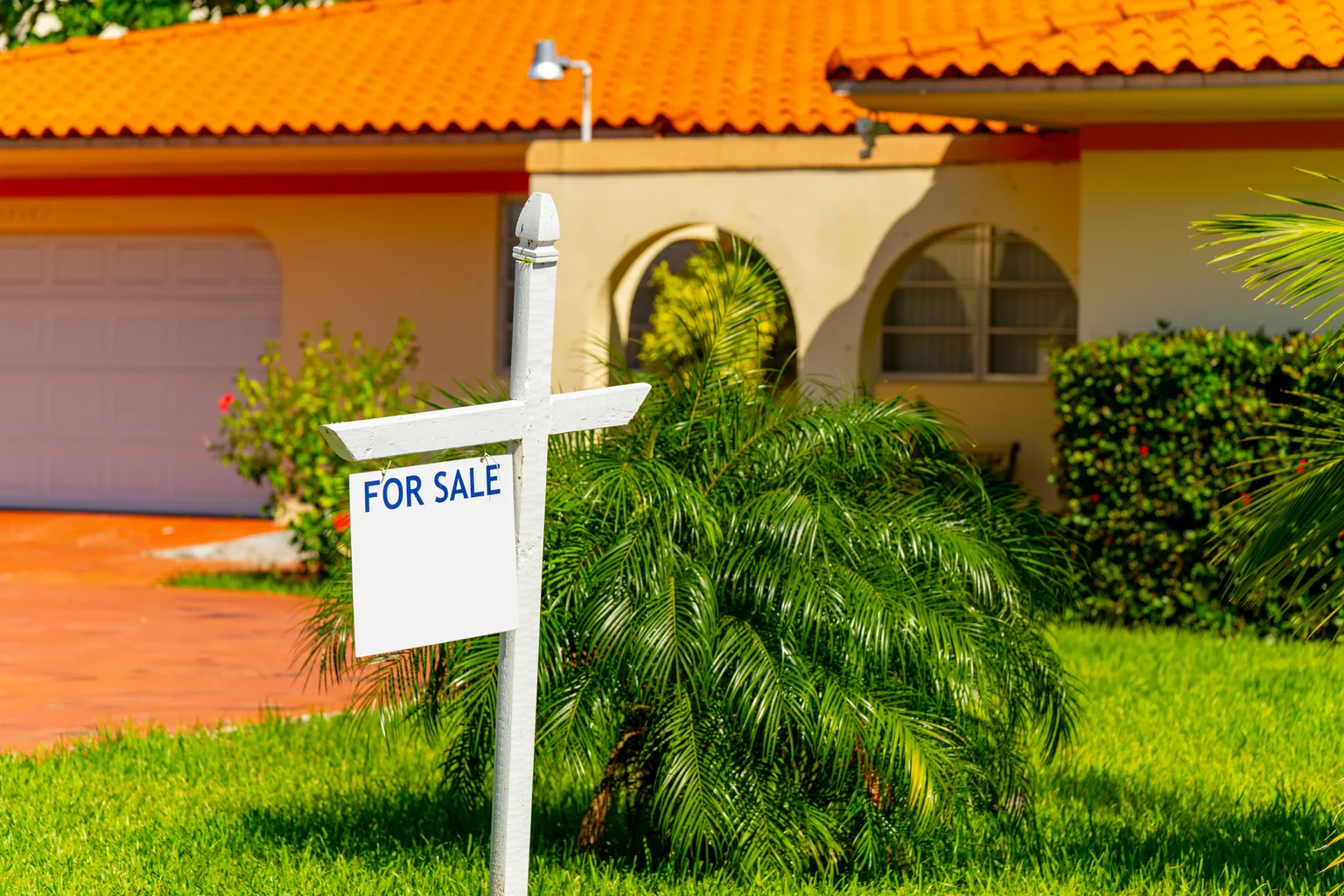
A Central Florida native, UCF graduate with a doctorate and a six-figure salary who works downtown, says that even with 100k down, the mortgage on a small house with a tiny yard in a decent neighborhood is almost 3k with taxes and insurance. Winter Park and Baldwin are out of reach, and an hour’s drive to work is not an option. Who, they ask, can afford 500k+ houses?
One reply guesses mostly dual-income households: a $3k mortgage split two ways is $1500 each. A single buyer would need around $120k a year, about 8k a month after tax, to carry it alone. Another resident points out that 8k shrinks further after health insurance and retirement savings. Buyers moving from higher-cost places like NYC can also manage, because it feels cheaper to them.
Owners see the other side of the climb. One who built in 2017/2018 says a house that was 400k should not be worth 800k-1m today. In Colonialtown, developers buy starter homes for $400-450k, knock them down and sell new ones for $1.5-2.5mil; one owner there bought in 2019 for the mid $200s. Affordable buys still turn up: one couple bought a 2/3 townhouse in Altamonte Springs, about two blocks from Maitland, for $165k, with an $1100 mortgage, in a safe area with great neighbors.
Flips
A house on one resident’s block sold on May 22nd for $308k; after “flipper specials” and a new roof it is listed at $465k. A house hunter says flips show in the sale history: redone kitchens and bathrooms that look cheap, and “luxury vinyl floors” that give off fumes. Another adds: if the floors are gray, run away.
Some would rather buy an older home with good bones and pay to repair it than spend $150k extra on a flip that only changed the cosmetics. Others warn that old homes have their own issues and need a big maintenance budget. The fixes residents propose: incentivize building new houses, disincentivize rental properties and corporate ownership, relax zoning laws and build denser.
Leave a Reply
You must be logged in to post a comment.